
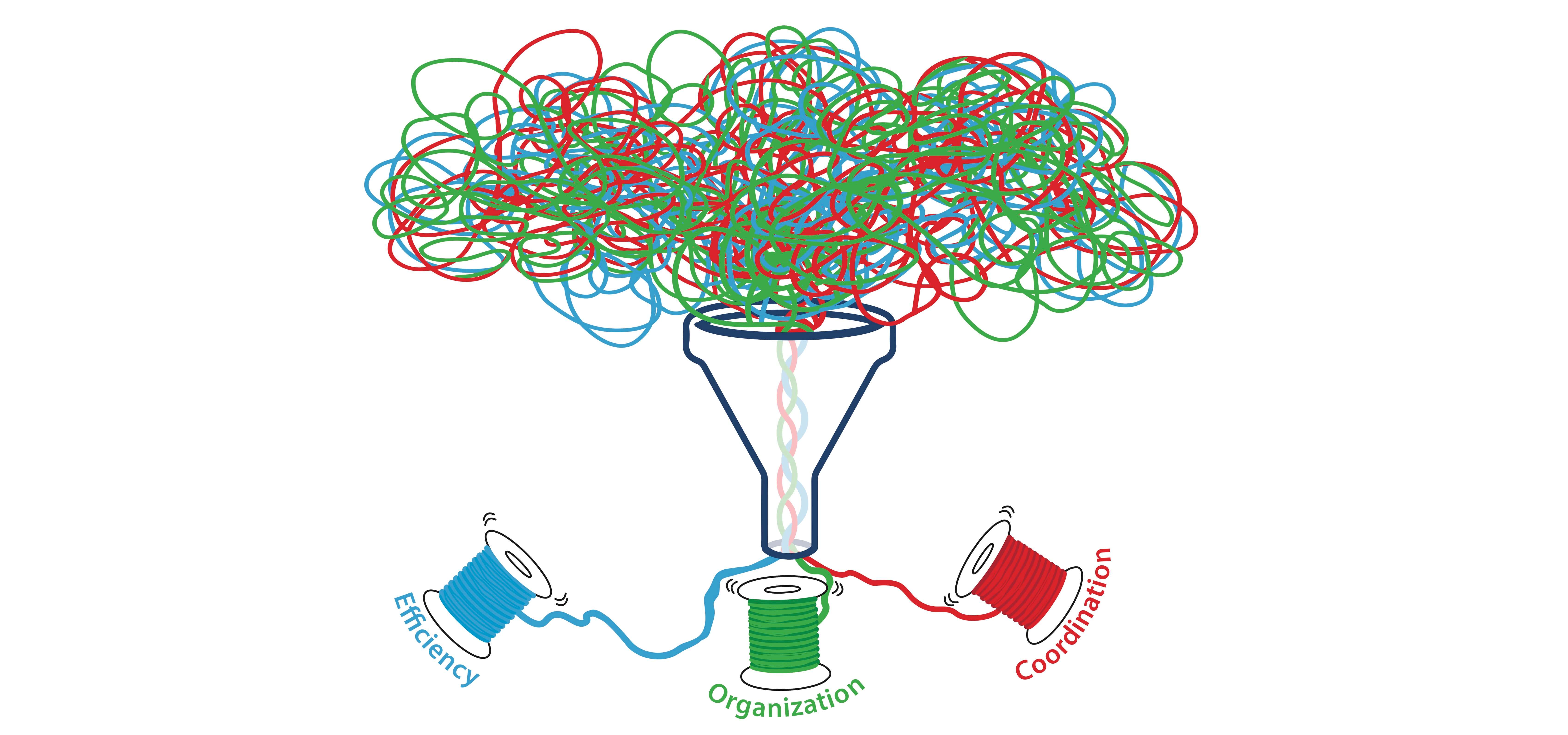
Streamlining NFP Bequest Administration
Bequests can represent an important source of funding for not-for-profit organizations. But administering them can create a surprisingly significant operational burden.
Each individual bequest may involve collecting information, communicating with attorneys or executors, monitoring estate administration, tracking expected distributions, recording receipts and maintaining the documentation needed to support the process.
None of those activities is necessarily complicated on its own.
The challenge comes from managing many bequests, at different stages, with different people involved and different actions required over potentially long periods of time.
When that work is coordinated through spreadsheets, email, individual calendars and personal knowledge, it can require considerable effort simply to understand what is happening.
The Challenge Is Coordination
Bequest administration is a good example of work that is both variable and repeatable.
Every estate is different. The people involved, amounts, timing and circumstances will vary.
But many of the administrative activities are predictable.
A new bequest needs to be recorded. Information needs to be collected. Particular events need to be monitored. Follow-up may be required. Documents and correspondence need to be maintained. Distributions need to be recorded and reconciled.
That creates an opportunity to establish a consistent framework for managing the work without trying to make every bequest identical.
The objective is not to eliminate professional judgment.
It is to make the repeatable parts of the process easier to coordinate and harder to overlook.
Create a Consistent Process
A defined process gives everyone a common starting point for managing a bequest.
Standard checklists can establish the activities that would normally be expected, while still allowing individual cases to be adapted when circumstances require it.
Tasks can be assigned to the appropriate people. Due dates and follow-up dates can be established. Standard documents and correspondence can be generated from information already maintained for the bequest.
That makes the process less dependent on someone remembering what needs to happen next.
It also makes delegation easier.
Instead of knowledge about the process residing primarily with the person managing the bequest, the process itself helps guide the work.
Make Each Bequest Visible
Consistency is only part of the challenge.
People also need to be able to understand the current position of an individual bequest:
What has happened?
What are we waiting for?
What needs to happen next?
Who is responsible?
Have expected distributions been received?
Are there overdue activities that require attention?
When that information is maintained as part of managing the work, someone reviewing the bequest does not need to reconstruct its status from emails, notes, spreadsheets and individual knowledge.
The current status is naturally visible.
See Across the Entire Bequest Portfolio
The same operational information can also provide visibility across all bequests.
Management may need to know which bequests have overdue activities, where follow-up is required, what distributions are anticipated, what has already been received, or where individual cases may need additional attention.
Without a common system, answering those questions often means compiling information from spreadsheets or asking individual team members for updates.
With consistent information maintained across each bequest, the organization can instead see the portfolio as a whole.
That reduces the effort required to create management information and makes it easier to identify issues before they become problems.
Support the Financial Process
Bequest administration also has an important financial dimension.
Expected distributions need to be tracked. Individual receipts may need to be recorded against anticipated amounts. Information may need to be available for accounting, forecasting and management purposes.
Bringing that financial information together with the underlying administrative process creates a more complete view of each bequest.
It also reduces the need to reconcile separate operational and financial tracking systems simply to understand the current position.
Reduce Dependence on Individual Knowledge
Perhaps the biggest benefit of a structured approach is that the operation becomes less dependent on any one person.
When processes, responsibilities, due dates, documents and status information are maintained in a common environment, work can be delegated or handed over more easily.
Someone else can understand where a bequest stands without first having to ask the person who has been managing it.
That becomes particularly valuable as the number of bequests increases, teams change, or responsibilities need to be redistributed.
The system supports the people doing the work rather than requiring those people to be the system.
A More Scalable Approach to Bequest Administration
Effective bequest administration does not require making the work more complicated.
Quite the opposite.
The goal is to provide enough structure that repeatable activities happen consistently, people can see what needs their attention, and management can understand the overall portfolio without creating another layer of reporting work.
EstateWorks applies the same principles used to manage Trust & Estate work to NFP bequest administration: consistent processes, clear responsibilities and inherent visibility into both individual bequests and the operation as a whole.
That can reduce administrative effort while giving organizations greater confidence that important activities are not being overlooked.
Looking for a more manageable way to administer your organization's bequests? See how EstateWorks can help.
More Trust and Estates Workflow Resources
Other resources that you may find useful.
Browse All Resources